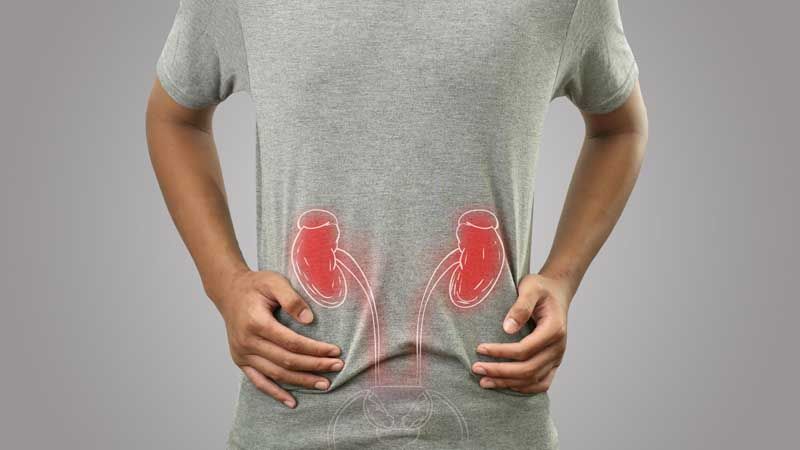
Understanding the silent signals your body may be sending.
When Isn’t Swelling “Just Swelling”?
Swelling might seem like one of those things that happens after a long day, a salty meal, or standing for hours. But what if your body is trying to tell you something more important?
Many people don’t realize that swelling, especially in the feet, ankles, hands, or around the eyes, can be an early sign of kidney trouble. And because kidney issues progress silently, it’s easy to overlook these subtle warnings until the condition becomes serious.
Let’s break down why swelling happens, how kidney health is involved, and when you should pay closer attention.
Also Read: 8 Golden Rules To Take Care Of Your Kidneys
How Do Your Kidneys Keep Your Body In Balance?
Think of your kidneys as two highly efficient filters. They work nonstop to:
- Remove excess fluids
- Flush out toxins
- Balance electrolytes
- Support healthy blood pressure
When the kidneys are functioning well, your body stays balanced, and water moves in and out of tissues smoothly. But when kidney function drops, even slightly-fluids begin to accumulate in places they shouldn’t, leading to noticeable puffiness or swelling.
Why Kidney Issues Cause Swelling?
Swelling caused by kidney problems has a specific pattern. The kidneys lose the ability to filter excess water and sodium, leading to fluid retention.
At the same time, they may leak smaller amounts of protein (like albumin) into the urine. Since protein helps maintain fluid balance in the bloodstream, losing it causes water to shift into surrounding tissues, resulting in swelling.
Also Read: How Your Kidneys Work
Some Common Kidney-Related Swelling Areas Include
- Feet and ankles (most common)
- Hands
- Lower legs
- Under-eye puffiness, particularly in the morning
- Abdomen in advanced cases
This swelling typically feels soft, appears gradually, and worsens through the day.
Swelling From Kidney Problems vs Swelling From Lifestyle
Not all swelling means kidney disease, of course. Here’s how to differentiate:
Likely Lifestyle-Related
- Too much sodium in your diet
- Long flights or sitting for hours
- Hot weather
- Mild dehydration
- Pregnancy-related water retention
Concerning And Possibly Kidney-Related
- Persistent swelling lasting several days
- Swelling combined with foamy urine
- Puffiness around the eyes on waking
- Unexplained weight gain due to fluid retention
- Fatigue or shortness of breath
- History of diabetes or high blood pressure
The key difference is consistency. Swelling from lifestyle habits usually reduces after rest, elevation, hydration, or a change in diet. Swelling from kidney issues doesn’t go away easily.
Hidden Kidney Issues That Can Cause Swelling
Several kidney conditions could trigger fluid retention, including:
Chronic Kidney Disease (CKD)
A long-term condition where the kidneys gradually lose their ability to filter waste.
Nephrotic Syndrome
A condition that causes the kidneys to leak large amounts of protein, leading to severe swelling.
Glomerulonephritis
Inflammation of the kidney’s filtering units.
Acute Kidney Injury (AKI)
A sudden drop in kidney function due to illness, medication, or dehydration.
Kidney Infections
In advanced cases, they can temporarily affect filtration.
Understanding the root cause is essential to receiving the right treatment.
Other Early Signs Of Kidney Trouble
Swelling may be the first noticeable symptom, but kidney issues often come with other subtle clues:
- Urinating more or less frequently than usual
- Dark, foamy, or bubbly urine
- Constant fatigue
- Difficulty concentrating
- Loss of appetite
- Muscle cramps
- Itchy and dry skin
When multiple symptoms show up together, it’s a stronger sign that your kidneys might need attention.
Why You Shouldn’t Ignore Persistent Swelling?
Ignoring swelling may allow underlying kidney issues to progress quietly. Chronic Kidney Disease often goes undiagnosed until 70-80% of kidney function is lost. Early detection is the best way to slow progression and protect long-term health.
Even small declines in kidney function may affect:
- Heart health
- Blood pressure
- Bone strength
- Energy levels
The sooner you identify the cause, the easier it is to manage.
How To Reduce Swelling And Protect Kidney Health?
Whether your swelling is kidney-related or lifestyle-triggered, these steps help reduce fluid retention:
Cut Down Sodium
Salt is one of the biggest contributors to swelling.
Stay Hydrated
Surprisingly, drinking too little water tells the body to hold onto fluids.
Monitor Blood Pressure
High blood pressure damages kidney filters over time.
Keep Blood Sugar In Check
Diabetes is a leading cause of kidney disease.
Avoid Overuse Of Painkillers
Long-term use of NSAIDs can strain the kidneys.
Stay Active
Movement improves circulation and reduces fluid buildup.
Get Regular Kidney Screenings
Especially if you’re over 40 or have diabetes, hypertension, or a family history of kidney disease.
When To See A Doctor?
You should consult a healthcare professional if swelling is:
- Persistent and unexplained
- Accompanied by kidney-related symptoms
- Affecting your daily comfort
- Getting progressively worse
- Present despite rest and hydration
A simple blood and urine test can reveal the kidney function status quickly.
Consult a doctor today, at The Wellness Corner - Click Here
Support Your Kidney Health With The Wellness Corner
Understanding your body’s signals is the first step toward better health. If you’re noticing unexplained swelling or changes in your energy, sleep, or urine patterns, The Wellness Corner can help you take the next step with confidence.
With The Wellness Corner, you can:
- Access kidney health assessments
- Consult qualified doctors and nutritionists anytime
- Monitor lifestyle factors that impact kidney function
- Get personalized diet plans to support kidney wellness
Do not wait for symptoms to worsen. Take charge of your kidney health today.
Explore expert guidance at The Wellness Corner and stay one step ahead of hidden health issues.